
Island Hopping Routes: The Best Order to See the Philippines
The best Philippines island hopping route groups the country’s three island clusters — Luzon, Palawan and the Visayas — and finishes one before jumping to the next, bridging them through the Manila or Cebu flight hubs. Order your islands that way and you cut backtracking and wasted flights to almost nothing.
The single biggest mistake I see first-timers make is treating the Philippines like a place you can drive across. You can’t. With 7,641 islands and no through-road between the regions, almost every hop is a flight or a ferry. Get the order right and you barely notice the transfers. Get it wrong and you lose two travel days and a few thousand pesos flying back to Manila just to reach the island next door.
I’ve run this country half a dozen ways: clockwise, counter-clockwise, one Palawan-only blitz, one slow Visayas loop. This guide is about the one thing those trips taught me that the day-by-day itineraries skip: the logic of sequencing. If you want the hour-by-hour version with hotels and costs, my Philippines itinerary guide breaks it down by trip length. This page is the layer above that — how to chain regions so the map does the work for you, not against you.
The route at a glance: three clusters, two hubs
Before any dates or day plans, internalise the shape of the country. Everything else follows from it.
- Cluster 1 — Luzon (north): Manila (the main international gateway), plus the rice terraces, Vigan and the beaches further north. Hub airport: Manila (NAIA), with Clark (CRK) two hours north now handling Palawan turboprops.
- Cluster 2 — Palawan (west): Puerto Princesa, El Nido and Coron. A long, thin island with no through-road worth driving end to end; you fly in and ferry within.
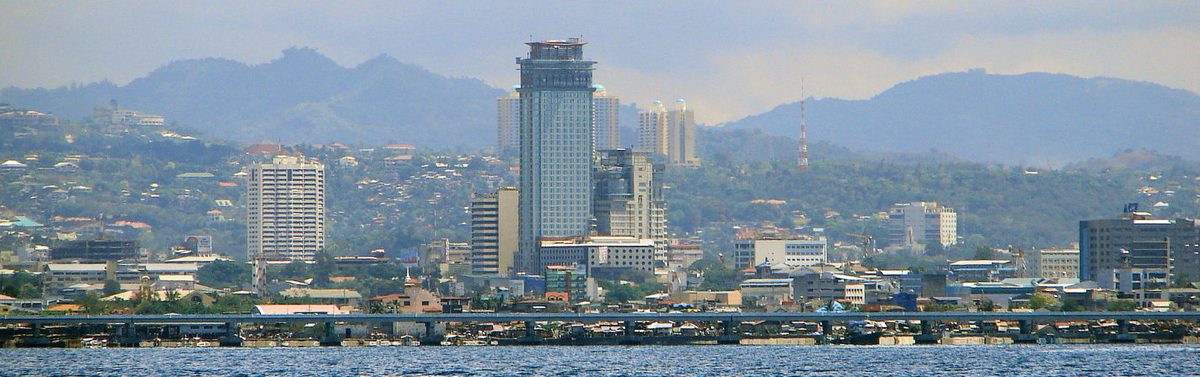
- Cluster 3 — the Visayas & Siargao (centre/south): Cebu, Bohol, Siquijor, Negros/Dumaguete, Boracay, plus Siargao off to the east. Hub airport: Cebu (CEB). This is the cluster you stitch together with short ferries.
The golden rule: finish one cluster completely before you jump to the next, and let a hub city be the bridge. You almost never fly cluster-to-cluster directly — you fly Palawan→Cebu or Palawan→Manila, reset, then continue. Plan around that and the whole trip clicks.
How the regions connect
This is the table I wish someone had handed me on my first trip. Times are typical 2026 scheduled durations — add buffer for check-in and the near-certainty that something runs late. Prices are hedged 2026 estimates in pesos and US dollars at roughly ₱58 = $1; always confirm live before booking.
| From → To | Best link | Time | Rough 2026 cost | Notes |
|---|---|---|---|---|
| Manila → El Nido | AirSwift flight (now from Clark) | ~1h 20m + the Manila–Clark transfer | ₱5,000–9,000 ($85–155) | Moved NAIA→Clark on 29 Mar 2026; budget 2–3h overland Manila↑Clark. |
| Manila → Coron / Puerto Princesa | Cebu Pacific / PAL jet | ~1h 15m | ₱2,500–6,000 ($45–105) | Cheaper and simpler than the El Nido turboprop; many start Palawan here. |
| El Nido → Coron | Fast ferry (Montenegro / Phimal) | ~3.5–4h | ₱2,500–3,500 ($43–60) | The one inter-island ferry every Palawan trip uses. Rough-sea cancellations happen. |
| Coron → Cebu or Manila | Flight (via Busuanga, USU) | ~1h–1h 20m | ₱3,000–7,000 ($52–120) | Your bridge OUT of Palawan into the Visayas. Book early; few daily seats. |
| Cebu → Bohol (Tagbilaran) | OceanJet fast ferry | ~2h | ₱1,000–1,600 ($17–28) | Up to 15 sailings a day — the easiest hop in the country. |
| Bohol → Dumaguete (Negros) | OceanJet fast ferry | ~2h | ₱900–1,400 ($16–24) | Links the Bohol leg to Siquijor without backtracking to Cebu. |
| Dumaguete → Siquijor | OceanJet / Montenegro | ~40–90m | ₱250–800 ($4–14) | Short, frequent, cheap. Siquijor is a quick ferry, never a flight. |
| Cebu → Siargao | Cebu Pacific / PAL flight | ~1h | ₱2,500–6,500 ($43–112) | There is no direct Manila–Siargao flight; you connect via Cebu. |
Read that table once more and a pattern jumps out: within Palawan and within the Visayas, links are cheap and short. Between clusters they’re flights through a hub. So the art of a good Philippines island hopping route is minimising the number of those between-cluster flights — ideally to exactly one.
The Palawan flow: El Nido → Coron → out
Palawan is the cluster people most often sequence backwards, and it costs them. The mistake is flying into El Nido, then trying to leave from El Nido too — which means either an expensive turboprop back to Manila/Clark or a van-and-flight combo out of Puerto Princesa five hours south. The clean version runs the island as a one-way line and exits by ferry-plus-flight from the top.
Here is the flow I now use every time, and the one I’d hand a first-timer without hesitation:
- Fly into Puerto Princesa or straight to El Nido. If you can stomach the El Nido turboprop (now out of Clark, see below), it saves the 5–6 hour van north. If not, fly the cheap jet to Puerto Princesa and take a shared van up — you’ll save money and see the interior.
- Base in El Nido for the lagoons. This is the headline act of the whole country: Bacuit Bay’s limestone, the Big and Small Lagoons, the Tour A and Tour C boat circuits. Give it three nights minimum. My full breakdown of the boat tours lives in the El Nido island hopping guide.
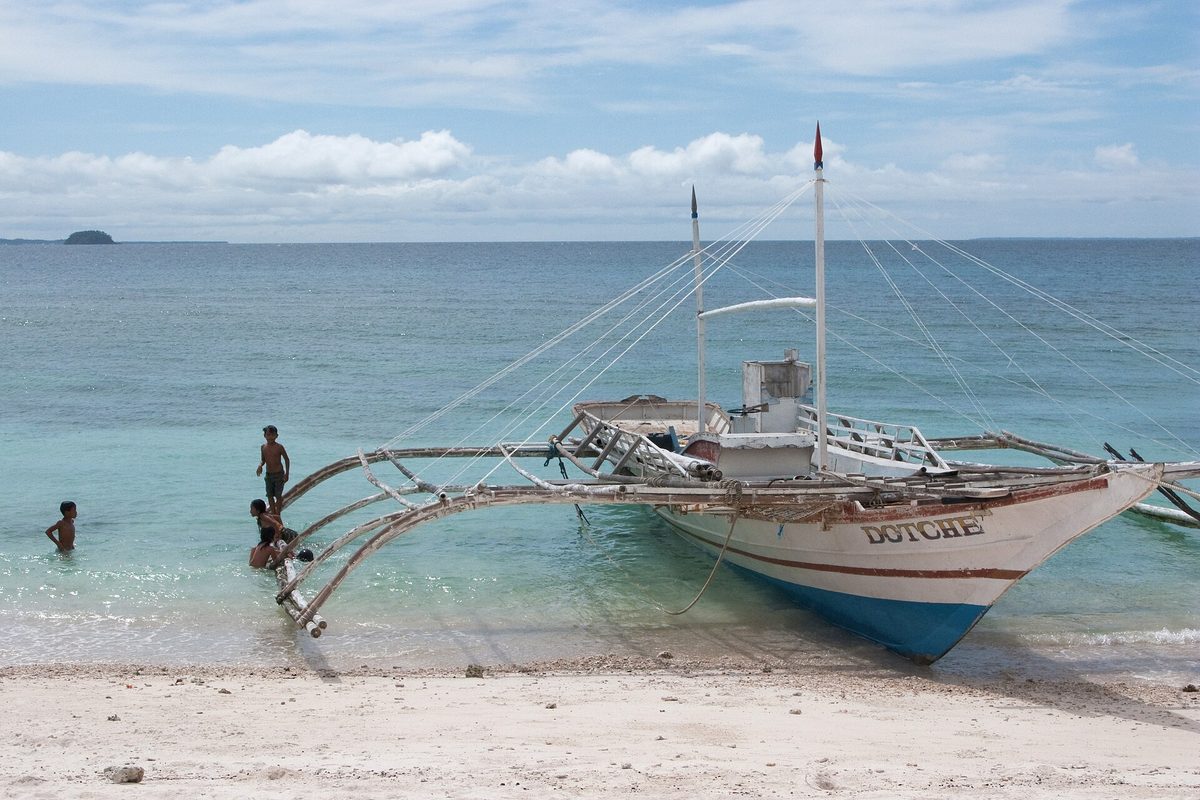
- Ferry El Nido → Coron (~3.5–4 hours). This single sea crossing is the spine of every Palawan trip. It only runs a couple of times a day and it gets cancelled in rough seas, so never book it for the morning of an international flight. I walk through operators, fares and the rough-sea reality in the El Nido to Coron guide.
- Coron for the wrecks and lakes. Different landscape, different vibe — Kayangan Lake, Barracuda Lake, the Japanese WWII shipwrecks. Two to three nights. The Coron island hopping guide has the tour menu.
- Fly OUT of Coron (Busuanga airport). This is the move that makes the whole thing efficient: you exit Palawan from the top, not the bottom, straight to Cebu (to continue into the Visayas) or back to Manila (to fly home). No backtracking.
The 2026 Clark catch you must plan around: as of 29 March 2026, AirSwift moved its El Nido turboprop flights out of Manila’s NAIA to Clark International Airport (CRK), about two hours north of central Manila. If your plan was “land at NAIA, connect straight to El Nido,” that connection no longer exists in one airport. You either overland up to Clark, or — what I’d do — fly the cheap jet into Puerto Princesa or Coron instead and skip the El Nido flight entirely. Verify your departure airport on the ticket; this one trips people up.
Could you run Palawan the other direction, Coron first then El Nido? Yes, and it’s equally valid — the ferry runs both ways in the same time. Pick your direction based on which one’s flight (into Coron or into El Nido) is cheaper on your dates, then exit from the opposite end. If Palawan is the only region you have time for, stretch this same flow over a full week and slow down at each base.
The Visayas loop: Cebu → Bohol → Siquijor → back
If Palawan is a one-way line, the central Visayas is a proper loop — and it’s the most underrated routing in the country because the legs are all short, cheap ferries instead of flights. You fly into Cebu once, then barely touch an airline again until you leave. This is where the “chain regions that connect” principle pays off most obviously.
The clean loop, the way the ferries actually line up:
- Cebu (1–2 nights) as your pivot. Most people don’t love Cebu City itself, and that’s fine — treat it as the hub it is. If you want beach and not city, skip south to Moalboal or Oslob, both reachable by road. If you’re torn over where to spend your Visayas nights, Bohol wins on sights (hills, tarsiers, dive sites) while Cebu wins on connections.
- Ferry Cebu → Bohol (~2 hours, OceanJet). Up to fifteen sailings a day — this is the single easiest inter-island move in the Philippines. Bohol gives you the Chocolate Hills, the tarsiers, the Loboc River, and Panglao’s beaches and dive sites. Two to three nights — my Cebu and Bohol itinerary paces that pair out day by day.
- Ferry Bohol → Dumaguete (~2 hours). Here’s the routing trick most itineraries miss: instead of doubling back to Cebu, you ferry straight from Bohol across to Dumaguete on Negros. It keeps you moving forward through the loop.
- Ferry Dumaguete → Siquijor (~40–90 min). Tiny, frequent, cheap. Siquijor is the “island of fire” — Cambugahay Falls with its rope swings, quiet coast roads, the kind of place you slow down. Two nights. (Dumaguete itself is also your launch point for the Apo Island turtle and reef day trip, one of the best snorkels in the country.)
- Close the loop back to a hub. From Siquijor you ferry back via Dumaguete (which has its own airport for flights to Manila/Cebu) or hop back toward Cebu. You’ve now done four islands on roughly ₱3,000–4,000 ($52–69) of ferry tickets total — less than one inter-cluster flight.

This loop is the strongest argument for not over-flying the Philippines. People assume every island means another plane ticket; in the Visayas, it doesn’t. If you only have a week and want maximum islands for minimum transfers, the Cebu–Bohol–Siquijor triangle beats a Palawan trip on logistics every time. It’s the routing I’d hand anyone with just seven days who still wants to feel like they island-hopped.

Adding Siargao without wrecking your route
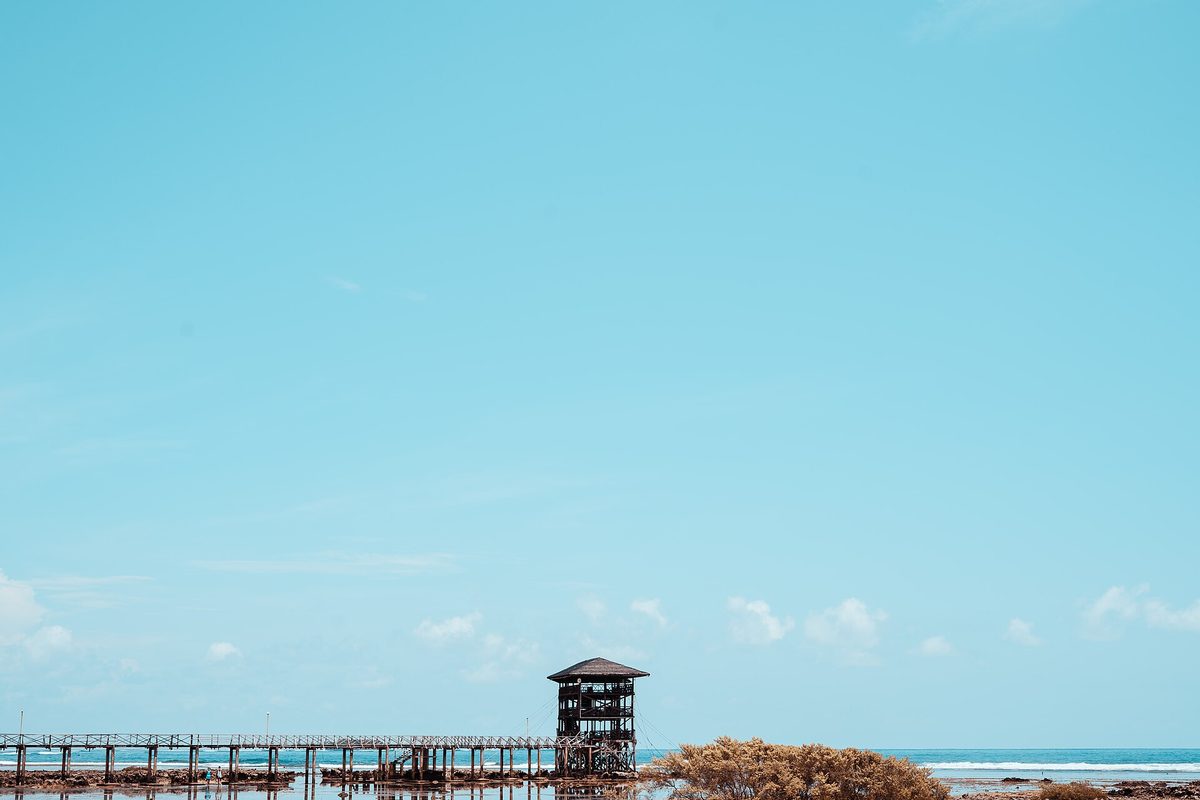
Siargao is the island everyone wants to add and the one that breaks the most itineraries, because of a single hard fact: there is no direct flight from Manila’s NAIA to Siargao. You connect through Cebu (and occasionally Clark or Davao). So Siargao only makes routing sense if you’re already coming through the Cebu hub — which means it belongs after your Visayas loop, not as a random detour from Palawan.
The efficient way to bolt it on: finish your Cebu–Bohol–Siquijor loop, return to Cebu, then take the Cebu → Siargao flight (~1 hour). Spend three to four nights surfing Cloud 9, doing the three-island day trip (Naked, Daku, Guyam), and the Sugba Lagoon. Then fly Siargao→Cebu→home, or Siargao→Manila via Cebu. Because Cebu is already your pivot, Siargao adds one short flight each way and nothing else.
What I’d not do is try to wedge Siargao between Palawan and the Visayas. I’ve seen people fly Coron→Cebu→Siargao→Cebu→Bohol, which burns four flight segments and a full day of airports. If Siargao is a priority, do Palawan, reset in Cebu, then run everything Visayas-side (Bohol, Siquijor, Siargao) as one block before flying home from Cebu.
One-way vs loop: the big-picture routing decision
Every Philippines trip eventually comes down to one strategic choice, and it’s worth making it deliberately rather than by accident.
The one-way (open-jaw) route — fly into one hub, out of the other. This is what I recommend for almost everyone with two weeks or more. Fly into Manila, do Palawan, cross to the Visayas, and fly home out of Cebu (or the reverse). You never backtrack to your arrival city. Open-jaw international tickets usually cost the same as a return, and you save an entire travel day. A classic version: Manila → Coron → El Nido (ferry) → fly to Cebu → Bohol → Siquijor → fly home from Cebu. My 2-week Philippines itinerary is built exactly this way; a ten-day version is just a tighter cut of the same open-jaw idea.
The loop route — in and out of the same hub. Pick this only if your flights force a round-trip into Manila, or if you’re staying inside one cluster. A Palawan-only loop (Manila→Coron→El Nido→Manila) is clean. A Visayas-only loop (Cebu→Bohol→Siquijor→Cebu) is clean. The loop only gets ugly when you try to loop across two clusters — that’s the zigzag that eats your days.
North-to-south as a through-line. If you have three weeks or a month, you can run the country as one long descending line: Luzon’s north (rice terraces, Vigan) → Manila → Palawan → Cebu/Visayas → Siargao, flying home from the southern end. It’s the most complete version and the one I’d slow-travel, giving each cluster room to breathe instead of racing the ferries. Three weeks does it comfortably; a month lets you add the smaller islands without ever rushing a connection, which is exactly the shape of my one-month slow travel itinerary.
Build your own route: a quick decision framework
If you take nothing else from this guide, take these five rules. Run any route idea through them and you’ll catch the expensive mistakes before you book.
- Group by cluster, then order the clusters. List your must-see islands, sort them into Luzon / Palawan / Visayas-Siargao, and finish each cluster fully before moving on. Never half-do a cluster and come back.
- Let the hub be the hinge. Move between clusters via Manila or Cebu, not by improvising odd connections. Every cluster-to-cluster jump should pass through a hub.
- Count your inter-cluster flights and minimise them. Within a cluster, use ferries (cheap, frequent). Between clusters, that’s a flight — aim for exactly one in a two-week trip.
- Go open-jaw whenever your international ticket allows. In one hub, out the other. It removes a whole backtrack.
- Buffer the ferries, not just the flights. Sea crossings (especially El Nido–Coron) cancel in bad weather. Never schedule the El Nido–Coron ferry or any inter-island boat for the same day as an international departure.
By traveller type
First-timer, two weeks: Manila → Palawan (El Nido + Coron) → Cebu → Bohol. One ferry inside Palawan, one flight between clusters, one easy ferry in the Visayas. The least logistics for the most variety.
Beach-and-chill, one week: stay in a single cluster. Either Palawan (El Nido + Coron) or the Visayas (Cebu–Bohol–Siquijor). Trying to do both in seven days means you spend a fifth of your trip in transit.
Surfers and slow travellers: Cebu → Siargao first (get the surf while the swell’s good), then loop back through Bohol and Siquijor. Build in buffer days; Siargao is a place you end up extending.
Divers: sequence around the water — Coron (wrecks), then Visayas with Malapascua (thresher sharks, off northern Cebu), Moalboal (the sardine run) and Apo Island from Dumaguete. That’s a Cebu-hub trip with Palawan bolted on the front.
By season
Routing and timing interact. The dry season (roughly December to May) gives calm seas and reliable ferries — the El Nido–Coron crossing behaves, and you can plan tight connections. In the wet/typhoon months (roughly June to early November) I’d lean toward fewer ferries and more flights, and add buffer days, because that’s when sea crossings get cancelled. If your dates are flexible, the dry season is worth chasing for the calmer crossings alone. And if you’re still choosing which islands rather than the order to do them in, settle that first — the sequence only matters once you know your stops.
Sample Philippines island hopping route for two weeks
To make all of the above concrete, here is the exact sequence I’d give a first-timer with 14 days — the one that wastes the fewest travel days. It uses one inter-cluster flight and an open-jaw international ticket.
| Days | Where | How you got there | Why it’s in this order |
|---|---|---|---|
| 1 | Manila | International arrival | Reset after the long-haul; don’t connect onward exhausted. |
| 2–4 | Coron | Jet from Manila (~1h 15m) | Enter Palawan from the top so you can ferry south, not backtrack. |
| 5–7 | El Nido | Fast ferry from Coron (~3.5–4h) | The headline lagoons; you’re now at the bottom of the Palawan line. |
| 8 | Cebu | Flight El Nido/Puerto Princesa → Cebu | The one inter-cluster flight. Cebu is your Visayas pivot. |
| 9–11 | Bohol | OceanJet ferry (~2h) | Easiest ferry in the country; Chocolate Hills, tarsiers, Panglao. |
| 12–13 | Siquijor | Ferry via Dumaguete | Forward through the loop, no backtrack to Cebu. |
| 14 | Cebu → home | Ferry/flight back to Cebu, fly out | Open-jaw: out of Cebu, never back to Manila. |

Swap Siquijor for Siargao (fly Cebu→Siargao→Cebu) if you’d rather surf than slow down, or add a few days and keep both. The skeleton — Palawan as a line, Visayas as a loop, one flight between — stays the same. For the broader picture of how the islands themselves stack up, my island hopping overview covers the day-trip boat tours within each base.
Frequently asked questions
What is the best order to visit the Philippine islands?
Finish one cluster before starting the next, and bridge clusters through a hub city. The most efficient order for most trips is Manila, then Palawan (Coron and El Nido), then fly to Cebu for the Visayas (Bohol, Siquijor) and optionally Siargao. Run Palawan as a one-way line and the Visayas as a loop, with a single flight connecting the two.
Should I start in Manila or Cebu?
Either works, and the smartest trips use both — fly into one and out of the other (an open-jaw ticket) so you never backtrack. Manila is the bigger international gateway and the usual jump-off for Palawan; Cebu is the hub for the Visayas and the only practical connection to Siargao. If your route ends in the south, fly home from Cebu.
Is there a direct flight from Manila to Siargao?
No. As of 2026 there is no direct NAIA–Siargao flight; you connect through Cebu (occasionally Clark or Davao). That’s why Siargao belongs after your Cebu-based Visayas leg rather than as a detour from Palawan. The Cebu–Siargao hop is short, about an hour.
How do I get from El Nido to Coron?
By fast ferry, around 3.5 to 4 hours, with a couple of departures a day for around ₱2,500–3,500 ($43–60). It’s the one inter-island ferry nearly every Palawan trip relies on. Crossings can be cancelled in rough seas, so never book it for the same day as an onward international flight — leave a buffer night.
Can I island hop the Philippines without flying between regions?
Within a region, easily — the Visayas (Cebu, Bohol, Negros, Siquijor) are all linked by short, cheap, frequent ferries. Between the major clusters it’s far harder; Palawan to the Visayas realistically means a flight. You can reduce flying to a single inter-cluster hop, but eliminating it entirely usually costs you more days than it’s worth.
How many islands can I realistically see in two weeks?
Three to four bases is the comfortable ceiling for 14 days — for example Coron, El Nido, Bohol and one more. Each move costs half a day or more, so cramming in five or six islands means you spend your trip in transit. Fewer stops, more nights each, is almost always the better-feeling route.
Sources and photo credits
Photo credits
El Nido, Bacuit Bay (Palawan) — Vyacheslav Argenberg (CC BY 4.0) via Wikimedia Commons
Kayangan Lake, Coron (Palawan) — Mmlibranda (CC BY-SA 4.0) via Wikimedia Commons
Bangka outrigger boat — Vyacheslav Argenberg (CC BY 4.0) via Wikimedia Commons
Chocolate Hills, Bohol — Vyacheslav Argenberg (CC BY 4.0) via Wikimedia Commons
Cambugahay Falls, Siquijor — Lawrence Ruiz (CC BY-SA 4.0) via Wikimedia Commons
Cebu City skyline — P199 (Public domain) via Wikimedia Commons
Cloud 9, Siargao — Spraken eboy2887 (CC BY-SA 4.0) via Wikimedia Commons
Sources and further reading
AirSwift for current El Nido (Clark) flight schedules and the 2026 airport change;
OceanJet for Cebu–Bohol, Bohol–Dumaguete and Dumaguete–Siquijor ferry times;
official Philippine government portal for current visa and entry rules (most nationalities get 30 days visa-free on arrival, extendable);
and PAGASA for seasonal weather and typhoon advisories that affect ferry crossings.
About this guide: this is part of PhilippinesTourism.org, an independent, traveller-written resource. Routes, ferry times and fares were researched and cross-checked against operator and government sources, and verified July 2026. Schedules and prices change — always confirm live before you book.