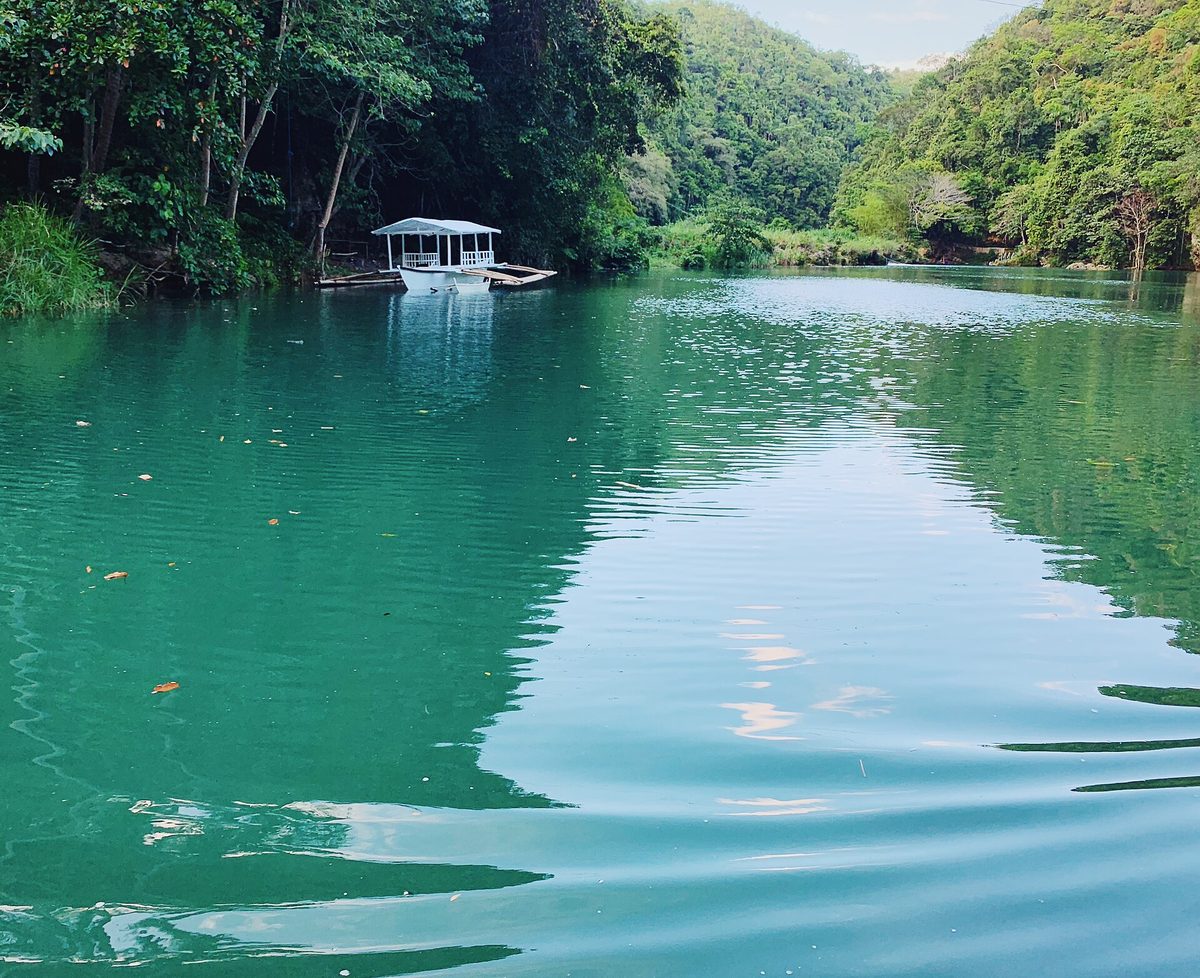
The Bohol Countryside Tour: Loboc River and Beyond
The Bohol countryside tour is the day every first-timer ends up booking, and for good reason: in one loop you cover Spanish-era coral-stone churches, a man-made mahogany forest, the famous Loboc River, the tarsiers, and the Chocolate Hills. But the standard tour packs in nine or ten stops in a single day, and a few of them are a complete waste of time. This guide is the honest, opinionated walk-through I wish I’d had on my first trip.
What’s on a Standard Bohol Countryside Tour?
Most operators on the island sell a similar loop. One common version runs from Tagbilaran or Panglao east to Baclayon, swings inland through Loboc and Bilar to Carmen for the Chocolate Hills, then loops back via the tarsier sanctuary and Loboc River for lunch on the floating restaurant. Pickup time, stop order and the hour you’re back at your hotel depend on the operator, so confirm them when you book. The usual stops are:
- Blood Compact Monument (Tagbilaran/Bool)
- Baclayon Church and ecclesiastical museum
- Loboc Church (drive-by or short stop, depending on restoration status)
- Bilar Man-Made Forest (a 2-kilometer mahogany tunnel)
- Philippine Tarsier Sanctuary (Corella) or the cheaper Loboc viewing site
- Chocolate Hills Complex in Carmen, or Sagbayan Peak as a quieter alternative
- Loboc River floating-restaurant cruise with buffet lunch
- Optional add-ons: butterfly garden, python “farm,” hanging bridge, ATV ride
That’s the menu. Below I’ll walk you through which stops are worth the entry fee in 2026 and which I’d happily skip.
Joiner Van vs Private Car vs Self-Drive: Which Setup to Pick
The biggest decision isn’t which stops to do, it’s how you move between them. Here’s how the three options compare for a couple or small family in 2026.
| Setup | Typical 2026 cost | Pace | Stops included | Group size | Kids-friendly | My pick |
|---|---|---|---|---|---|---|
| Joiner van (seat in a shared van) | ~PHP 1,500-2,000 per person (~$24-32) | Fixed, rushed at popular stops | Set menu, all entrance fees usually separate | 10-14 strangers | OK for older kids only; long waits | Skip unless you’re solo and on a tight budget |
| Private car or van with driver-guide | ~PHP 3,500-5,500 per vehicle (~$55-85) for sedan or van, fuel + driver, no entrances | You set it | You pick which stops, can swap or skip | Your party only | Yes, easy bathroom stops, aircon | Best value for 2-6 people |
| Self-drive (rental car or motorbike) | ~PHP 1,800-2,500/day car (~$29-40); ~PHP 500-800 scooter | Whatever you want | You handle everything | Your party | Risky with little kids on rural roads | Only if you’re comfortable with PH driving and signage |
For most readers, hiring a private car or van with a driver-guide is the move. A sedan handles two adults plus a small bag; a van is the right call for three or more, and the price difference is small once you split it. You’ll pay separately for entrance fees and the Loboc lunch cruise (budget another PHP 1,500-2,000 per person on top of the vehicle).
A Realistic Hour-by-Hour Itinerary
Here’s the schedule I’d actually run if you’re staying on Panglao or near Tagbilaran and using a private vehicle. Times are conservative; if traffic and weather are kind, you’ll be ahead by half an hour.
- 7:30 a.m. Pickup from Panglao or Tagbilaran. Quick stop at a convenience store for water and snacks.
- 8:00 a.m. Blood Compact Monument in Bool. Ten minutes, photos, back in the van.
- 8:30 a.m. Baclayon Church and museum. 40-45 minutes inside, slower if you like religious art.
- 9:30 a.m. Quick stop at Loboc Church. Photos of the river-side facade, then drive on.
- 10:00 a.m. Philippine Tarsier Sanctuary in Corella. 35-45 minutes on the boardwalk.
- 11:00 a.m. Drive through the Bilar man-made forest. Five-minute stop to walk under the canopy.
- 11:30 a.m. Chocolate Hills Complex, Carmen. Climb the viewing deck, 30-40 minutes total.
- 12:45 p.m. Drive back south to the Loboc cruise dock.
- 1:15 p.m. Board the floating restaurant for the buffet cruise.
- 3:00 p.m. Optional: butterfly garden in Bilar or extra time at the Loboc riverside.
- 4:30-5:00 p.m. Back at the hotel.
This is the version of the day where nobody feels rushed and you actually get to sit on the Carmen deck long enough to count the hills. A joiner van runs to the operator’s schedule, so read its itinerary before you book; a private driver lets you linger where you like.
Stop-by-Stop Honest Review
Here’s my candid take on each of the standard stops, in roughly the order most drivers run them. I’ve ranked them so you know where to spend time and where to ask the driver to skip ahead.
Man-Made Forest, Bilar (worth a 10-minute stop)
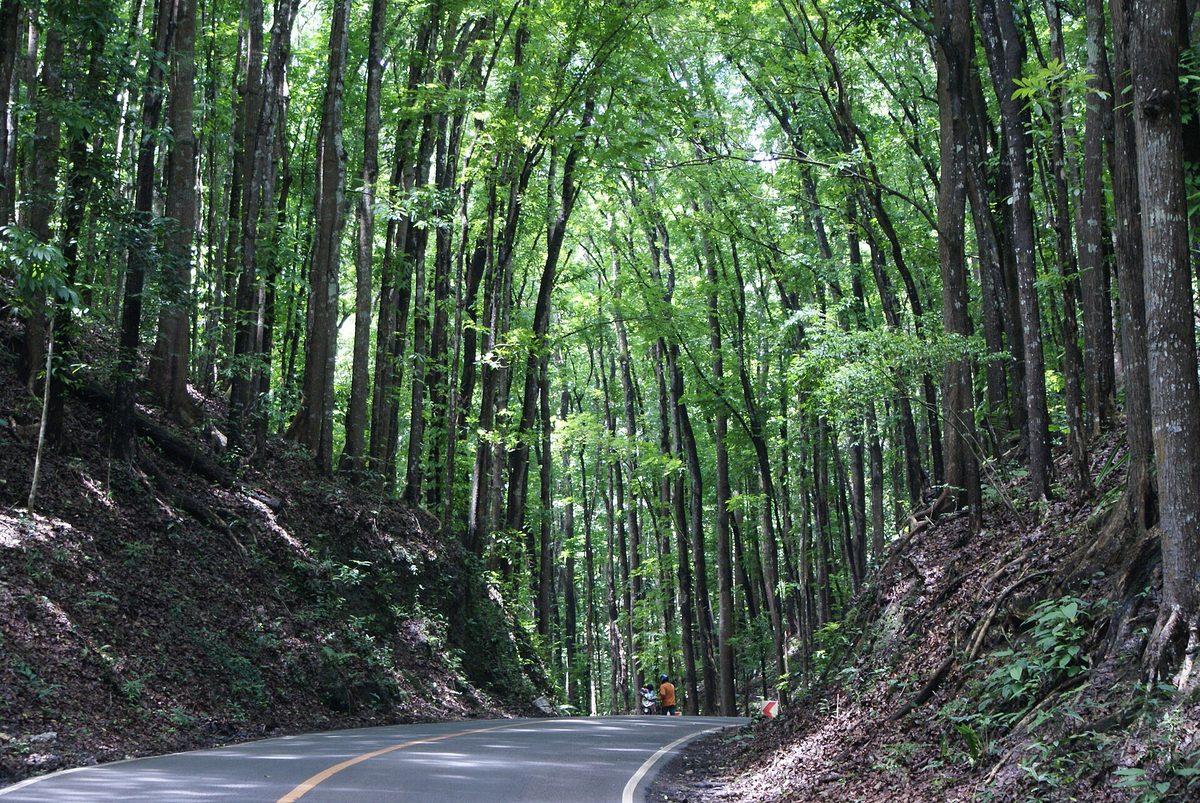
This is the famous 2-kilometer stretch of mahogany between Loboc and Bilar, planted as a reforestation project. The trees lean in over the road and form a cool, cathedral-like tunnel. It costs nothing, there’s no entrance, and the only “thing to do” is pull over, walk along the shoulder, and take a photo. Tell your driver you want a five-to-ten minute stop; it’s enough. Skip the photographers at the pull-off offering a “professional” shot unless you really want it.
Blood Compact Marker, Tagbilaran/Bool (15 minutes max)
The bronze statues commemorate the 1565 sandugo between Datu Sikatuna and Miguel Lopez de Legazpi. It’s a short walk from where the vehicle stops to the monument and back. There’s no entrance fee, but a guide will offer to explain the history for a tip. I find it underwhelming as a monument and overhyped as a “must-see,” but it’s free, the sea view behind it is nice, and your driver will stop here anyway because it’s on the way to Baclayon. Treat it as a leg-stretch.
Baclayon Church (the stop worth the most time)
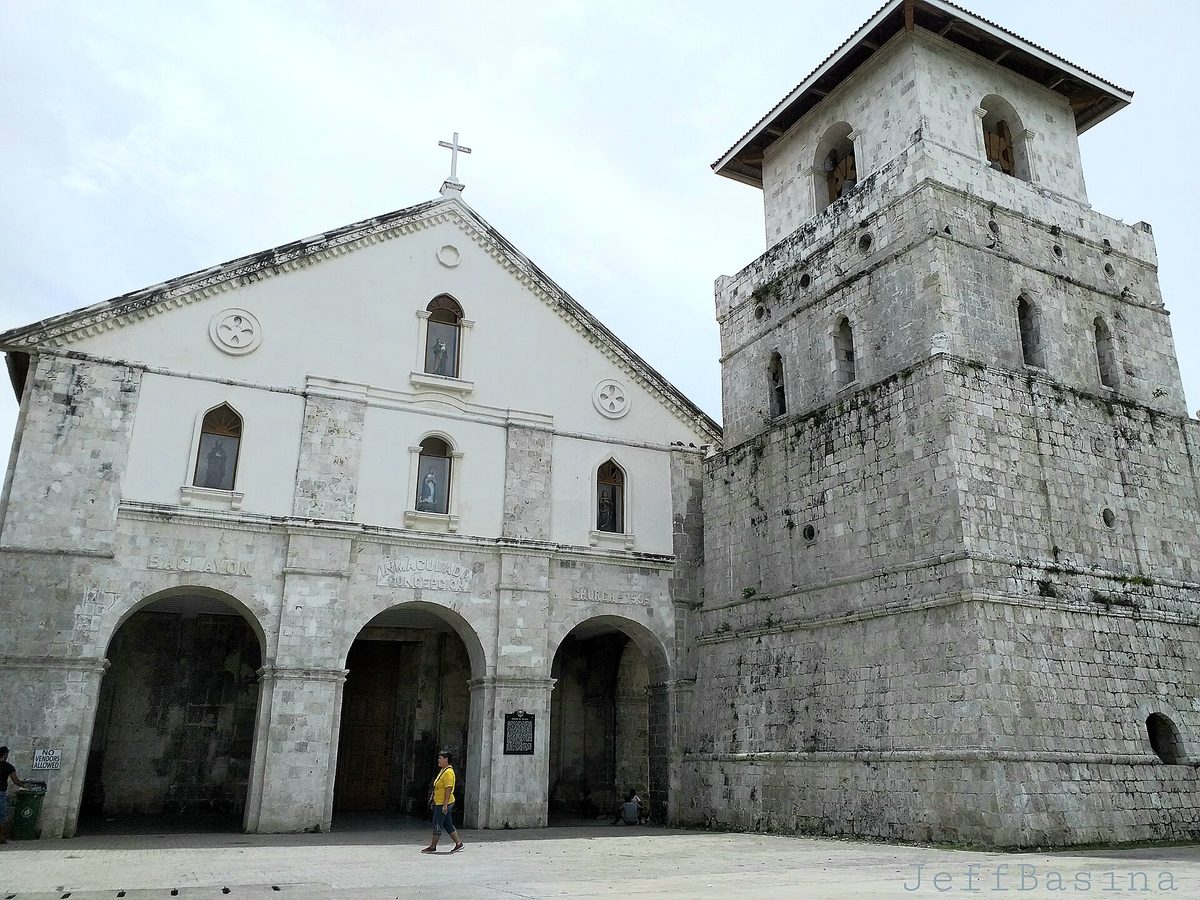
Baclayon was founded by Jesuits in 1596 and the coral-stone church was finished in 1727, making it one of the oldest in the Philippines. It’s a National Cultural Treasure and a National Historical Landmark under the NHCP. The 2013 magnitude-7.2 earthquake collapsed the portico and bell tower; the National Historical Commission of the Philippines led the reconstruction from 2014 and the church reopened in February 2018. In 2026, the main church is fully functional for Mass, the facade is restored, and the small ecclesiastical museum on the convent side is open with a separate ticket (typically PHP 50-75).
Go inside, look up at the surviving ceiling work near the crossing, and pay the museum fee if you have even a passing interest in religious art or colonial history. The ivory and silver pieces in the museum are remarkable. Allow 30-45 minutes. Dress modestly: shoulders and knees covered.
Loboc Church (drive-by, then onward)
Loboc Church (Iglesia de San Pedro Apostol, completed 1734) was another heavy casualty of the 2013 quake; the facade and portico collapsed. Restoration has been slower here than at Baclayon because of the scale of damage, and depending on the month you visit you may see scaffolding, a partial walk-through, or a fully restored interior. Either way, the ruins beside the river are striking. Ten to fifteen minutes is enough. Your driver will combine this with the Loboc River cruise stop, which is right across the bridge.
Loboc River Cruise (honest take: do it once, manage expectations)
Here’s the truth nobody on the booking sites will tell you: the food on the floating-restaurant buffet is mid. Lukewarm rice, a token grilled fish, some adobo, the same fruit platter every operator serves. The cultural performance partway downriver, where a group of villagers does a Tinikling number and a few songs, is sweet but uneven, sometimes it’s a polished community choir, sometimes it’s two teenagers and a karaoke speaker. What is genuinely good is the river itself: emerald-green water, jungle-draped banks, the floating raft drifting toward a small waterfall and turning back.
In 2026, expect to pay around PHP 1,200 per person (~$19) for the lunch cruise, the rate in the Bohol provincial government’s tour listing; confirm the current price with the operator. My honest verdict: do it once, eat lightly, focus on the scenery, and tip the performers if they’re working hard. If you’ve already had a big breakfast or you’re a picky eater, ask your driver about the smaller paddle-boat or stand-up paddleboard options upriver from the cruise dock; they’re cheaper, quieter, and you control the pace.
Tarsier Viewing: Corella vs Loboc
There are two places drivers will offer. The Philippine Tarsier Sanctuary in Corella, run by the Philippine Tarsier Foundation, is the conservation-led option: a forested boardwalk where rangers point out tarsiers resting in their natural habitat. There is a small entrance fee (guides quote PHP 60-170). The other option, the “Loboc tarsier viewing” along the highway, is a smaller commercial outfit where animals can feel more crowded by tourists. If you care at all about animal welfare, go to Corella. Either way, no flash photography, no touching, and keep your voice down. They’re nocturnal and stress easily.
Chocolate Hills, Carmen (do this; pick your viewing deck)
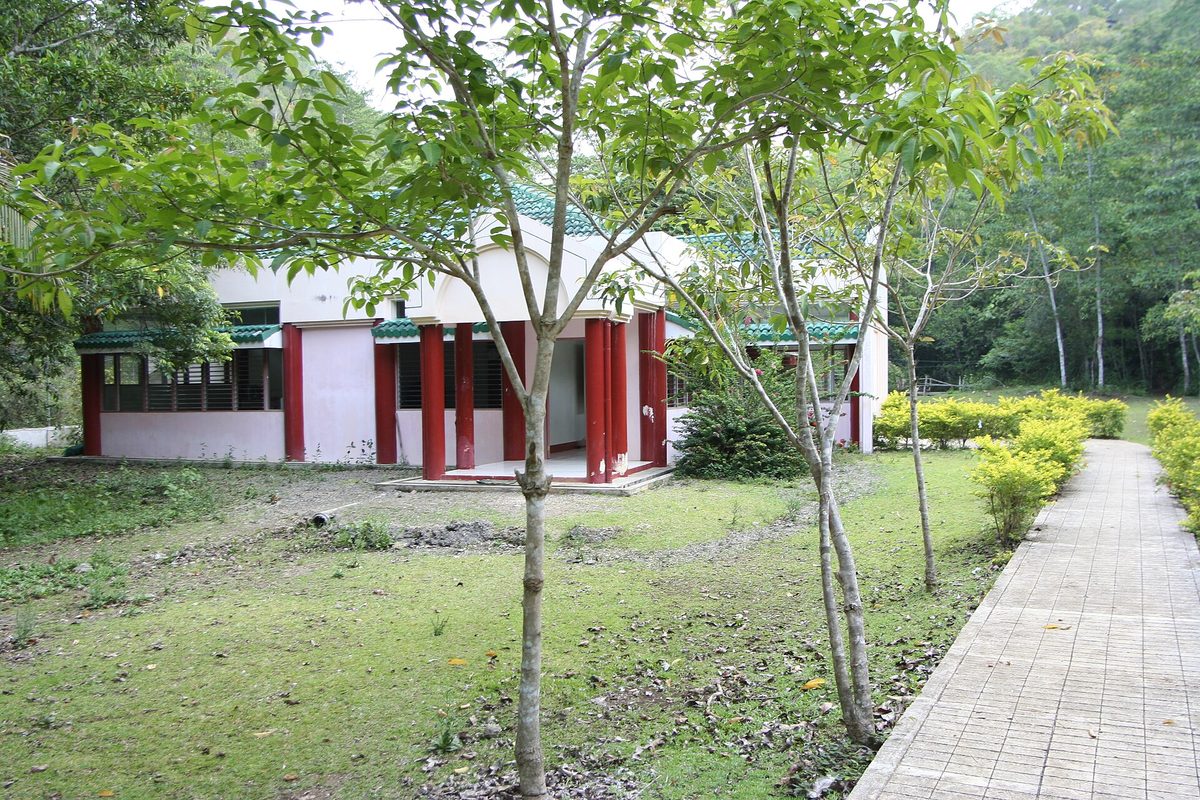
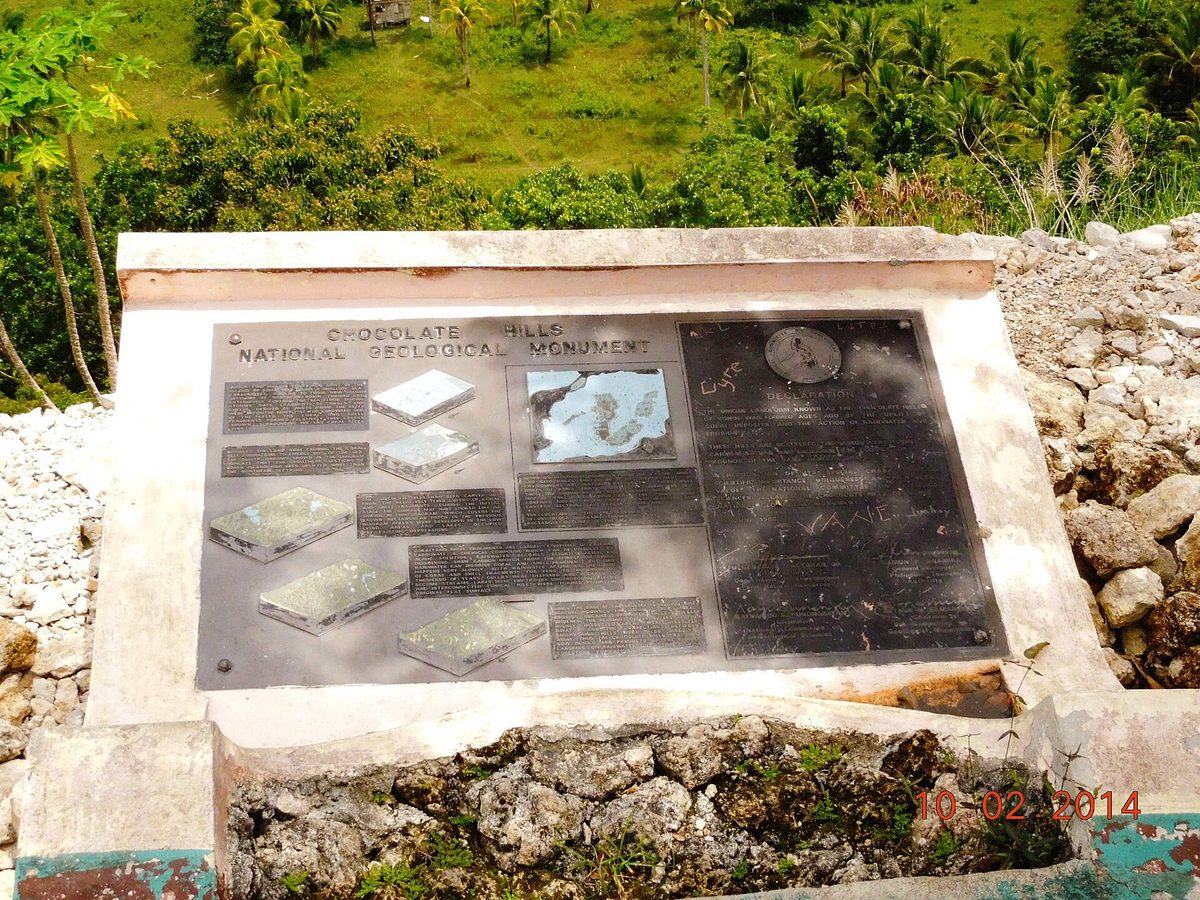
The 1,200-plus limestone mounds are still the visual headline of the island, and yes, they’re worth the drive. Entrance is about PHP 150 for visitors from outside Bohol (confirm at the gate). Sagbayan Peak, northwest of Carmen, is sometimes suggested as a quieter alternative, but confirm it is open before you plan around it. If you only have time for one, pick Carmen.
Sagbayan Peak (optional add-on)
If you’ve got a private vehicle and started early, ask the driver whether Sagbayan is worth a stop on the way back, as local reports have had the park closed. On a joiner van you won’t have time.
Butterfly Garden and Python Farm (skip)
These get slotted in as time-killers, especially the python farm near Loay, where a tired-looking snake lies in a small enclosure for photo ops. The butterfly conservatory in Bilar is the better of the two, but neither will be the highlight of your day. Tell the driver to skip both unless you have kids who specifically want them.
Best Time of Day to Start
An early departure pays off: you want to hit the Chocolate Hills before the midday haze burns off the contrast, and you want to reach the Loboc dock around lunchtime for the buffet cruise. If you can leave earlier, do, especially in November through May (the drier months). A 7:30 a.m. start beats the joiner-van wave at every stop. In the wet season (June-October) afternoon thunderstorms are common, so the morning loop also gets you the best light.
If you’re the kind of traveler who hates rushing, ask your driver about a two-day countryside split: Day 1 covers Baclayon, Loboc, Loboc River, and the tarsiers; Day 2 does the Chocolate Hills, Sagbayan, and the man-made forest at a slower pace. Most private operators are happy to do it; you’ll pay for two vehicle days but you’ll actually see things.
How to Hire a Driver vs Join a Tour
For a private driver, the cleanest path is to ask your hotel front desk; reputable Panglao and Tagbilaran properties keep a short list of vetted drivers and the rate is usually fair. Expect PHP 3,500-4,500 for a sedan, PHP 4,500-5,500 for a van, fuel and driver included, entrance fees and your lunch on you. If your hotel doesn’t have a list, the next best move is a quick WhatsApp or Viber inquiry to one of the local Bohol car-rental operators that you can verify through Facebook business reviews.
For joiner vans, your hotel can usually book you a seat the night before. The downside isn’t just the rushed pace; it’s the entrance-fee math. The joiner-van seat looks cheap until you add the entrance fees they don’t include (Chocolate Hills, tarsier sanctuary, Baclayon museum, Loboc cruise) and realize the total is within striking distance of a private vehicle if there are two or three of you.
If you’re planning the wider trip, see our companion guides on Bohol overall, things to do in Bohol, and the Chocolate Hills and tarsier sanctuary stops in more detail.
Bohol Countryside Tour With Kids
The full loop is doable with kids ages 5 and up, but it’s a long day. Three real-world adjustments:
- Skip the Blood Compact and python farm. Kids find both boring. Cut them to free up time elsewhere.
- Choose Sagbayan over Carmen if your kids tire easily. The Carmen climb is short but steep on a hot day. Sagbayan has more shade, a little zip line, and easier walking.
- Pack snacks and a water bottle each. The cruise lunch comes well after an early start, so snacks bridge the gap.
The Corella tarsier sanctuary is genuinely captivating for kids old enough to whisper. Use it as the morning’s “wow” stop after the man-made forest drive-through.
What to Skip
If you’re tight on time or you just want a cleaner day, here’s the short list of stops I’d cut without hesitation:
- Python farm. Animal welfare is questionable and the spectacle is over in two minutes.
- Hanging bridge on the Sipatan/Loboc river. A short bamboo span you cross for a small fee. Cute photo, not worth the 20 minutes off your schedule.
- ATV at Chocolate Hills upsell. Pleasant on a cool morning but it eats 90 minutes you could spend at Carmen or back at the beach.
- Loboc tarsier viewing if you’ve already gone to Corella. One sanctuary is enough.
What to Pack for the Day
The countryside loop is hot, dusty in the dry months, and humid year-round. A few things genuinely earn their place in your daypack:
- Light scarf or sarong. For shoulder coverage inside Baclayon Church if you’re wearing a tank top.
- Bug spray. The tarsier sanctuary boardwalk has mosquitoes in the late afternoon, especially in shoulder season.
- Cash in small denominations. Most entrance fees are PHP 50-120 and the staff rarely have change for a 1,000-peso note. ATMs are scarce once you leave Tagbilaran.
- Reef-safe sunscreen and a hat. The Carmen viewing deck has zero shade at the top.
- Phone charger or power bank. A long day of photos drains batteries fast, and most vans have a USB port.
- Hand sanitizer. The buffet line at the Loboc cruise gets busy.
Wear closed-toe shoes or sturdy sandals, not flip-flops. The Carmen steps are uneven and the boardwalk at Corella can be slick after a morning shower. Skip jewelry and anything you’d cry over losing; the day is long, the bag goes in and out of the van repeatedly, and small things vanish.
How the Loboc River Cruise Actually Works
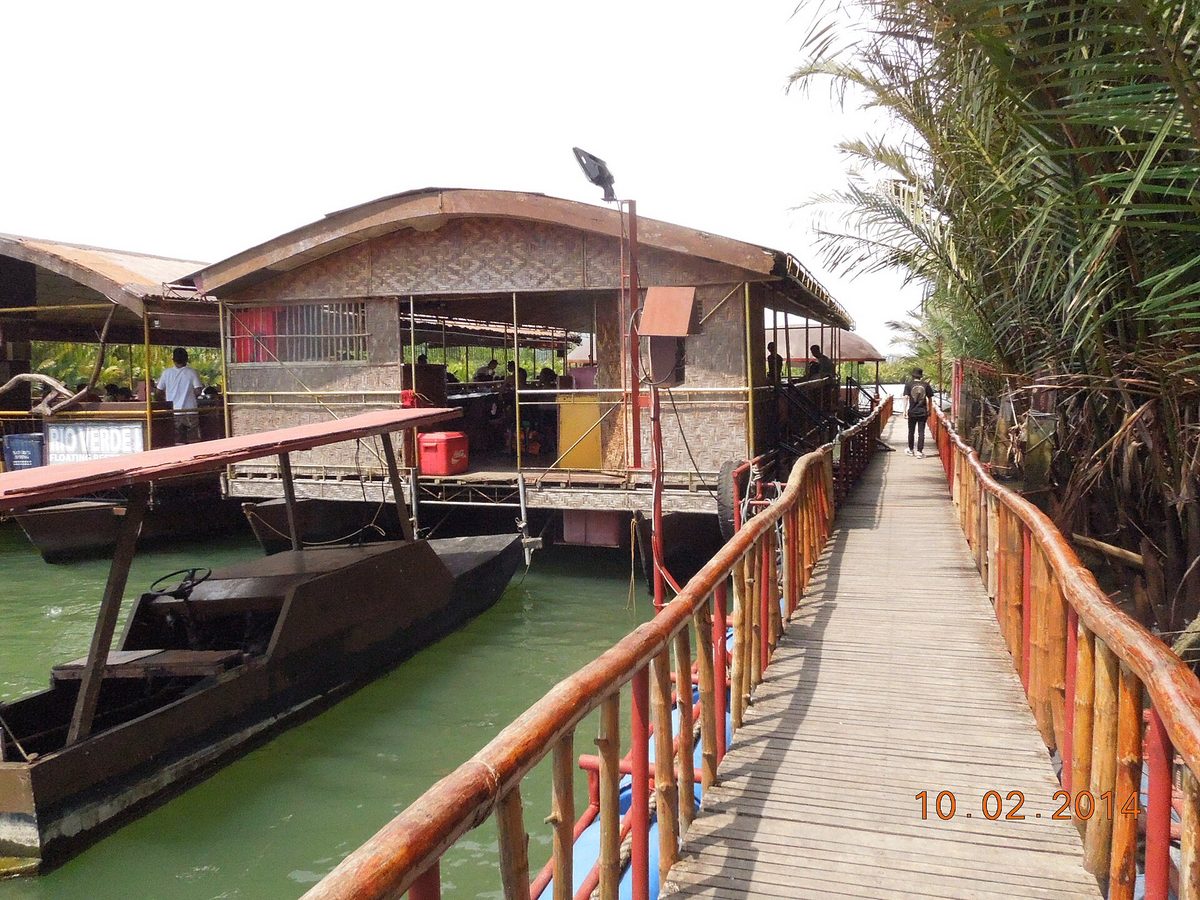
A bit more detail since this is the stop people ask about most. The cruise dock is right beside the Loboc Church, on the south bank of the river. Several operators run nearly identical floating-restaurant rafts; your driver will have a preference based on which ones honor their commissions. You queue at the dock, pay a per-person fee, and board the next available raft when your group is called. Lunch is served buffet-style as the raft drifts downstream, an outboard motor at the back pushing slowly against the current.
Partway along, the raft pulls alongside a small bamboo platform on the bank where a community group performs live music and dance, such as a folk song or a Tinikling bamboo number. Tip jar is on the platform; PHP 50-100 is reasonable. The raft then continues to a small waterfall, idles for photos, and reverses course.
The buffet is what it is. Expect plain rice, a fried fish, pork adobo, a vegetable dish, fresh fruit, and bottled water. Drinks beyond water cost extra. If you have dietary restrictions, eat a real breakfast and treat the cruise as a sightseeing ride; the food is not the reason you came.
FAQ
How long is the Bohol countryside tour?
A standard tour runs 7-9 hours door-to-door from Panglao or Tagbilaran. Pickup and drop-off times depend on the operator, the stops and traffic into Panglao at the end of the day, so check them with your driver. Extra stops lengthen the day.
Is the Loboc River cruise worth it?
Worth it once, with the right expectations. The river scenery is the genuine attraction; the buffet lunch is average and the cultural performance is hit-or-miss. Budget around PHP 1,200 per person in 2026 and don’t go hungry. Repeat visitors often skip the floating restaurant on a second trip in favor of a quieter kayak or SUP rental upriver.
How much does a Bohol countryside tour cost?
For two people in 2026, a realistic all-in figure with a private sedan is around PHP 6,500-8,500 (~$100-135): roughly PHP 3,500-4,500 for the vehicle and driver, plus PHP 2,000-3,500 in entrance fees and the Loboc lunch cruise. On a joiner van you’ll pay around PHP 1,500-2,000 per seat plus the same entrance fees on top. Child rates vary by stop and cruise operator, so ask at each.
What time should I start the Bohol countryside tour?
Aim for an 8:00 a.m. pickup at the latest, 7:30 if your driver agrees. You want the Chocolate Hills before midday haze and the Loboc dock around 11:30-12:30. Earlier is also cooler at every stop and the man-made forest tunnel is most atmospheric in the morning light.
Can you do the Bohol countryside tour from Cebu?
Yes, as a long day trip. You’ll catch an early ferry from Cebu City to Tagbilaran (a crossing of about two hours), do an abbreviated loop, and take a late-afternoon ferry back; check the operator’s current timetable for departures. It’s brutal as a single day; I much prefer staying one night in Panglao or Loboc. If you’re committed to the day-trip plan, see our Cebu-Bohol itinerary guide for a saner two- or three-day version.
Sources and photo credits
Photo credits
All images licensed via Wikimedia Commons. Individual credits:
- bohol-countryside-tour-loboc-river-cruise.jpg — Photo: Kris Fulgencio / CC BY-SA 4.0 via Wikimedia Commons. Source: Wikimedia Commons.
- bohol-countryside-tour-man-made-forest.jpg — Photo: Deng45 / CC BY-SA 4.0 via Wikimedia Commons. Source: Wikimedia Commons.
- bohol-countryside-tour-baclayon-church.jpg — Photo: Anißäb / CC BY-SA 4.0 via Wikimedia Commons. Source: Wikimedia Commons.
- bohol-countryside-tour-loboc-church-river.jpg — Photo: Judgefloro / CC BY-SA 4.0 via Wikimedia Commons. Source: Wikimedia Commons.
- bohol-countryside-tour-tarsier-corella.jpg — Photo: Jeroen Hellingman / CC BY-SA 3.0 via Wikimedia Commons. Source: Wikimedia Commons.
- bohol-countryside-tour-chocolate-hills.jpg — Photo: Judgefloro / CC BY-SA 4.0 via Wikimedia Commons. Source: Wikimedia Commons.
- bohol-countryside-tour-blood-compact-monument.jpg — Photo: shankar s. from Dubai, united arab emirates / CC BY 2.0 via Wikimedia Commons. Source: Wikimedia Commons.
Sources
- National Historical Commission of the Philippines (NHCP), Baclayon Church and Loboc Church restoration program.
- Bohol Provincial Tourism Office, current attraction information and entrance fees.
- Department of Tourism Region VII (Central Visayas), destination guidance for Bohol.
About this guide: PhilippinesTourism.org is an independent Philippines travel resource. This article was last researched and verified October 2026.